

Blog1

Benefits of Cashless Hospitalisation and How It Simplifies Medical Emergencies

Medical emergencies can happen unexpectedly, leaving families worried not only about the patient’s health but also about the financial burden of treatment. In such situations, cashless hospitalization offers much-needed relief by allowing eligible patients to receive medical care without making immediate out-of-pocket payments.

At SHSPD – Swaraj Health Square Polyclinic & Diagnostics, we provide Cashless Hospitalisation Assistance to help patients navigate the insurance process smoothly, ensuring timely treatment and reduced financial stress.

What Is Cashless Hospitalisation?

Cashless hospitalization is a facility provided by health insurance companies where the insurer directly settles eligible medical expenses with the hospital, subject to policy terms and conditions. Instead of paying the full hospital bill upfront, patients only need to complete the necessary documentation while the claim is processed.

This service is especially valuable during emergencies, allowing families to focus on recovery rather than finances.

How Does Cashless Hospitalisation Work?

The process is simple:
  1. Visit a network hospital covered under your health insurance policy.
  2. Present your health insurance card and valid identification.
  3. The hospital submits a pre-authorization request to your insurance provider.
  4. After approval, the insurer directly settles eligible medical expenses with the hospital.
  5. The patient pays only for non-covered expenses, if applicable.
Our team at SHSPD assists patients throughout this process to make it as smooth and hassle-free as possible.

Benefits of Cashless Hospitalisation

1. Immediate Access to Quality Healthcare

During a medical emergency, every minute matters. Cashless hospitalization enables patients to receive treatment without arranging large amounts of money at short notice.

2. Reduced Financial Stress

Medical expenses can be overwhelming. With cashless hospitalization, eligible treatment costs are settled directly by the insurance company, easing the financial burden on families.

3. Faster Admission Process

Insurance documentation is handled alongside the admission process, helping patients receive timely medical attention.

4. Better Focus on Recovery

Instead of worrying about hospital bills and payments, patients and their families can concentrate on treatment and recovery.

5. Expert Hospital Assistance

Insurance claims involve paperwork, approvals, and coordination. Professional hospital assistance ensures smoother communication between the hospital and insurance provider, reducing delays.

Why Health Insurance Is Essential

A comprehensive health insurance policy provides financial protection against unexpected medical expenses. It helps cover hospitalization, surgeries, diagnostic tests, and other eligible healthcare costs depending on the policy.

Having health insurance also provides peace of mind, knowing that quality medical care is more accessible during emergencies.

When Can You Use Cashless Hospitalisation?

Cashless hospitalization is commonly available for:

  • Emergency hospital admissions

  • Planned surgeries

  • Accidents and trauma cases

  • Critical illnesses

  • Maternity care (depending on policy coverage)

  • Specialized treatments covered under your insurance plan

Always check your policy details and network hospital list to understand your coverage.

Documents Required for Cashless Hospitalisation

To ensure a smooth claim process, patients are generally required to provide:

  • Health Insurance Card

  • Government-issued Photo ID

  • Doctor’s Prescription or Admission Advice

  • Insurance Policy Details

  • Previous Medical Records (if required)

Keeping these documents ready can help avoid unnecessary delays.

SHSPD Cashless Hospitalisation Assistance

At SHSPD, we understand that navigating insurance procedures during a medical emergency can be stressful. Our dedicated team provides comprehensive assistance by helping patients with:

  • Insurance documentation

  • Pre-authorization support

  • Coordination with hospitals and insurance providers

  • Guidance throughout the claim process

  • Timely communication and follow-up

Our objective is to make the hospitalization experience smoother for patients and their families.

Comprehensive Healthcare Services at SHSPD

In addition to Cashless Hospitalisation Assistance, SHSPD offers:

  • Ambulance Services

  • OPD & IPD Assistance

  • CT Scan

  • MRI Scan

  • Sonography

  • 2D Echo

  • Pathology Services

  • Corporate Wellness Programs

  • Employment & Pre-Employment Health Checkups

With our expanding presence from Malad to Bhayandar, quality healthcare services are now closer and more accessible.

Tips to Make the Most of Your Health Insurance

To ensure a hassle-free hospitalization experience:

  • Understand your policy coverage and exclusions.

  • Keep your insurance card and policy details readily available.

  • Choose network hospitals whenever possible.

  • Renew your health insurance policy on time.

  • Inform the hospital about your insurance coverage during admission.

These simple steps can make a significant difference during an emergency.

Conclusion

Medical emergencies are unpredictable, but financial stress doesn’t have to be. Cashless hospitalization helps patients receive timely treatment without the burden of arranging immediate funds, while health insurance offers valuable financial protection.

At SHSPD – Swaraj Health Square Polyclinic & Diagnostics, our experienced team is committed to providing reliable hospital assistance, advanced healthcare services, and compassionate support throughout your healthcare journey.

Private ka Kaam, Charitable ke Daam.

When every second counts, trust SHSPD to help you access quality healthcare with confidence and care.

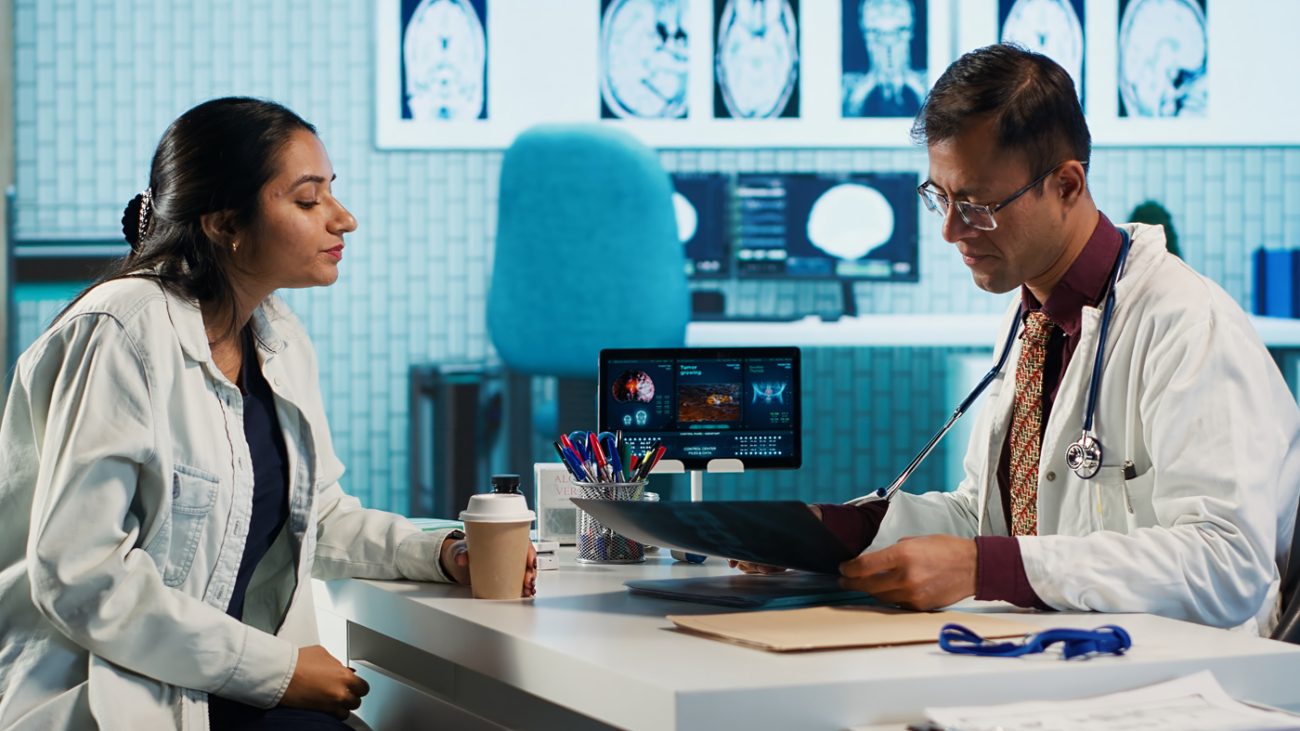
Blog2

CT Scan vs MRI: Understanding the Difference and When You Need Each

Modern healthcare relies heavily on diagnostic imaging to accurately identify diseases and guide effective treatment. Two of the most commonly recommended imaging tests are the CT Scan and MRI Scan. While both provide detailed images of the body’s internal structures, they work differently and are used for different medical conditions.

At SHSPD – Swaraj Health Square Polyclinic & Diagnostics, we offer advanced diagnostic imaging services to help doctors make accurate and timely medical decisions.

What Is a CT Scan?

CT (Computed Tomography) Scan uses X-rays combined with advanced computer technology to create detailed cross-sectional images of the body’s organs, bones, blood vessels, and tissues.

CT scans are quick, highly effective, and often used during medical emergencies because they provide rapid results.

Common Uses of a CT Scan

  • Head injuries and brain bleeding

  • Stroke diagnosis

  • Bone fractures

  • Chest infections

  • Lung diseases

  • Kidney stones

  • Internal bleeding

  • Cancer detection and monitoring

  • Abdominal pain evaluation

A CT scan typically takes only 5–15 minutes, making it ideal for emergency situations.

What Is an MRI Scan?

An MRI (Magnetic Resonance Imaging) Scan uses a powerful magnetic field and radio waves to produce highly detailed images of soft tissues and internal organs without using X-rays.

MRI scans provide exceptional image quality, making them the preferred choice for examining muscles, nerves, joints, ligaments, and the brain.

Common Uses of an MRI Scan

  • Brain disorders

  • Spine and spinal cord problems

  • Sports injuries

  • Ligament and tendon tears

  • Joint pain

  • Tumor detection

  • Multiple sclerosis

  • Disc problems

  • Soft tissue injuries

MRI scans generally take 20–60 minutes, depending on the area being examined.

CT Scan vs MRI Scan: What’s the Difference?

FeatureCT ScanMRI Scan
TechnologyUses X-raysUses magnetic field and radio waves
Best ForBones, lungs, internal injuriesBrain, spine, muscles, ligaments, soft tissues
Scan Time5–15 minutes20–60 minutes
RadiationYesNo
Emergency CasesExcellentUsually not the first choice
Image DetailExcellent for bones and organsSuperior for soft tissues

When Does Your Doctor Recommend a CT Scan?

Your doctor may advise a CT scan if you have:

  • Sudden severe headache

  • Accident or trauma injuries

  • Suspected internal bleeding

  • Chest pain

  • Persistent abdominal pain

  • Lung infections

  • Kidney stones

  • Cancer screening or follow-up

Because CT scans are fast, they are widely used in emergency departments.

When Is an MRI Scan Recommended?

Doctors often recommend an MRI when they need detailed images of soft tissues, including:

  • Persistent back or neck pain

  • Brain disorders

  • Spine problems

  • Knee, shoulder, or ligament injuries

  • Sports injuries

  • Nerve damage

  • Joint disorders

  • Tumor evaluation

MRI provides greater detail for tissues that may not be clearly visible on a CT scan.

Is One Better Than the Other?

There is no “better” test. The right choice depends on your symptoms, medical history, and what your doctor needs to evaluate.

  • CT Scan is best for emergencies, fractures, chest conditions, and internal injuries.

  • MRI Scan is ideal for detailed imaging of the brain, spine, nerves, muscles, ligaments, and joints.

Your healthcare provider will recommend the most appropriate imaging test based on your condition.

Preparing for Your Diagnostic Imaging Test

Before your scan:

  • Inform your doctor about any existing medical conditions.

  • Share details of any implanted medical devices or metal implants before an MRI.

  • Follow fasting instructions if contrast dye is required.

  • Wear comfortable clothing and remove metal accessories if advised.

Following these instructions helps ensure accurate and high-quality imaging.

Why Choose SHSPD – Swaraj Health Square Polyclinic & Diagnostics?

At SHSPD, we are committed to providing reliable and affordable diagnostic services with patient comfort as our priority.

Our Services Include:

  • CT Scan

  • MRI Scan

  • Sonography

  • 2D Echo

  • Pathology Services

  • OPD & IPD Assistance

  • Ambulance Services

  • Cashless Hospitalisation Assistance

  • Corporate Wellness Programs

  • Employment Health Checkups

With our growing network from Malad to Bhayandar, advanced diagnostic imaging is now more accessible for individuals and families.

Conclusion

Both CT Scans and MRI Scans play a vital role in modern medical diagnosis and radiology. Understanding the difference helps patients feel more informed and confident about their healthcare journey.

If your doctor recommends a CT Scan or MRI Scan, choosing a trusted diagnostic center ensures accurate results and timely diagnosis.

At SHSPD – Swaraj Health Square Polyclinic & Diagnostics, we combine advanced technology, experienced healthcare professionals, and affordable care to support your health every step of the way.

Private ka Kaam, Charitable ke Daam.

Blog3

Why Preventive Health Checkups Are Essential for Every Family

Good health is one of the most valuable assets we have, yet many people visit a doctor only after they become ill. Preventive healthcare focuses on identifying potential health issues before they become serious. Regular health screenings and routine checkups can help detect diseases early, allowing timely treatment and improving overall quality of life.

At SHSPD – Swaraj Health Square Polyclinic & Diagnostics, we believe in our promise: “Private ka Kaam, Charitable ke Daam.” Our goal is to make quality healthcare affordable and accessible for every family.

What Is Preventive Healthcare?

Preventive healthcare involves regular medical checkups, diagnostic tests, vaccinations, and lifestyle guidance to reduce the risk of serious illnesses. Instead of treating diseases after they develop, preventive care helps identify health concerns at an early stage when they are easier and more affordable to manage.

Why Regular Health Screenings Matter

Many serious health conditions develop silently without noticeable symptoms. Routine health screenings can detect these conditions before they become severe.

Regular screenings can help identify:

  • High blood pressure
  • Diabetes
  • Heart disease
  • High cholesterol
  • Kidney disorders
  • Liver problems
  • Thyroid disorders
  • Certain types of cancer

Early diagnosis significantly increases the chances of successful treatment and reduces long-term medical expenses.

Benefits of Routine Health Checkups

1. Early Diagnosis Saves Lives

Many diseases, including diabetes, hypertension, and heart conditions, show very few symptoms in their early stages. Regular checkups help doctors identify these issues before complications occur.

2. Lower Healthcare Costs

Treating a disease in its early stages is generally less expensive than managing advanced conditions that require hospitalization or surgery.

3. Better Quality of Life

Preventive healthcare allows you to stay healthier, remain active, and continue enjoying life with your family while reducing the risk of chronic illnesses.

4. Personalized Health Advice

Doctors can recommend lifestyle changes, balanced nutrition, exercise routines, and stress management techniques based on your individual health profile.

5. Peace of Mind

Knowing your health status through regular screenings provides confidence and allows you to take proactive steps toward maintaining your well-being.

Who Should Get Regular Health Checkups?

Preventive health screenings are important for everyone, including:

  • Children and teenagers
  • Working professionals
  • Adults above 30 years
  • Senior citizens
  • Individuals with a family history of diabetes, heart disease, or hypertension
  • Corporate employees requiring annual health assessments

Essential Preventive Health Test

Depending on your age and medical history, your doctor may recommend:

  • Complete Blood Count (CBC)
  • Blood Sugar Test
  • Lipid Profile
  • Liver Function Test
  • Kidney Function Test
  • Thyroid Profile
  • ECG
  • 2D Echo
  • Sonography
  • CT Scan
  • MRI (when medically advised)
  • Blood Pressure Monitoring
  • Body Mass Index (BMI) Assessment

Corporate Wellness and Employment Health Checkups

Organizations increasingly recognize the importance of employee wellness. Regular health assessments improve productivity, reduce absenteeism, and support a healthier workforce.

At SHSPD, we also provide:

  • Corporate Wellness Programs
  • Employment & Pre-Employment Medical Checkups
  • Diagnostic Screening Packages
  • Health Risk Assessments

Why Choose SHSPD – Swaraj Health Square Polyclinic & Diagnostics?

We offer comprehensive healthcare solutions under one roof, including:

  • Ambulance Services
  • OPD & IPD Assistance
  • CT Scan
  • MRI
  • Sonography
  • 2D Echo
  • Pathology Services
  • Cashless Hospitalisation Assistance
  • Corporate Wellness Programs
  • Employment Health Checkups

With our growing presence from Malad to Bhayandar, quality healthcare is now closer and more accessible for families across the region.

Conclusion

Prevention is always better than cure. Regular preventive healthcare, health screening, and routine checkups help detect diseases early, reduce treatment costs, and improve long-term health outcomes.

Make preventive health a priority for your family. Schedule regular health screenings and take a proactive step toward a healthier future.

SHSPD – Swaraj Health Square Polyclinic & Diagnostics is committed to providing affordable, reliable, and compassionate healthcare because your family's health deserves the very best.

"Private ka Kaam, Charitable ke Daam."